KING'S Draws Enthusiastic Crowds at the 2026 Taiwan Design Expo, Bringing Sustainability to Life

Invited by the Taiwan Design Research Institute, KING'S participated in the A6 “Sustainable Flow – TAOPIA” exhibition area at Messe Taoyuan. The 18-day exhibition, spanning September and October, became a learning journey for the team through conversations with people of different generations and professional backgrounds.
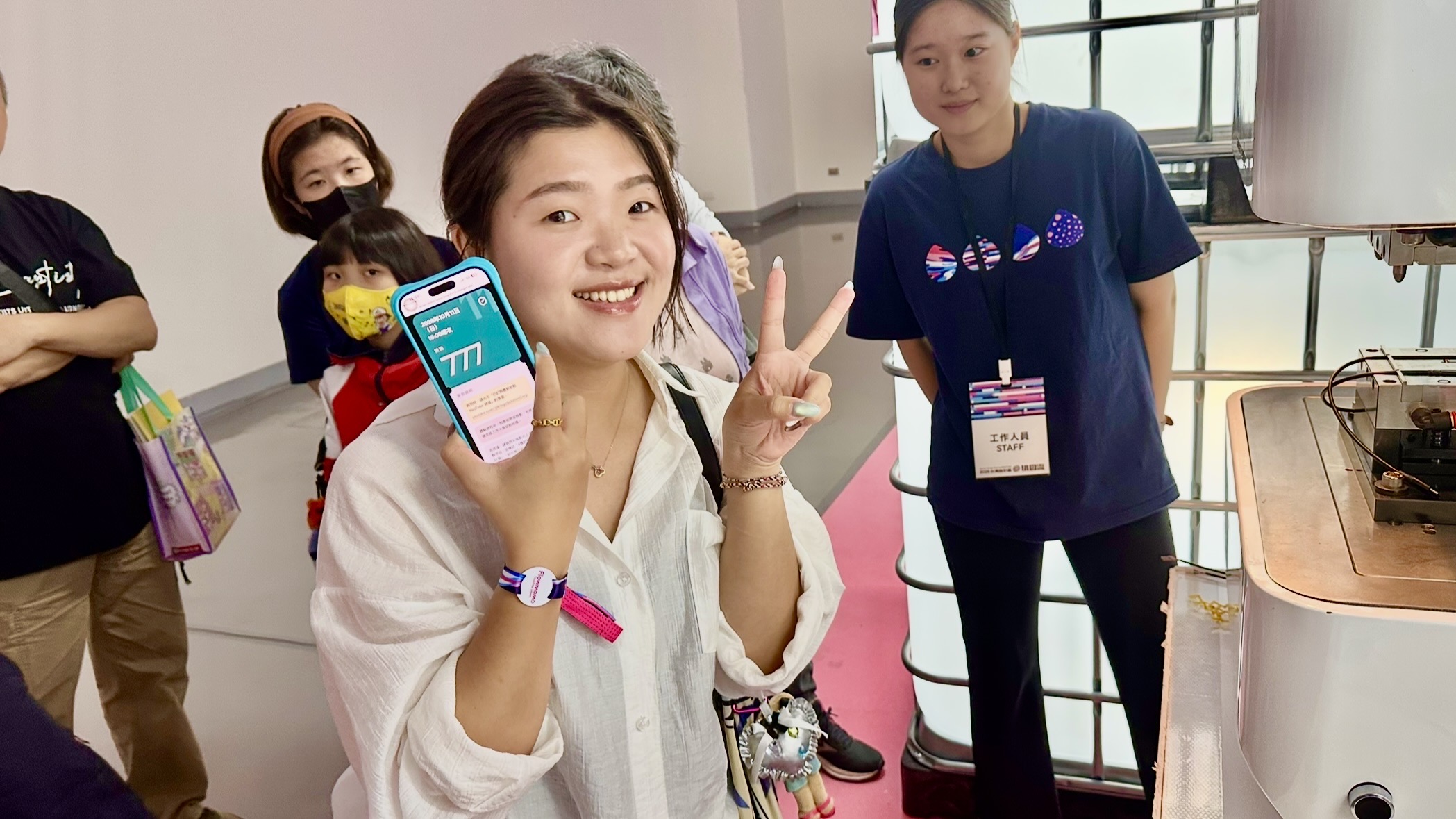
During the exhibition, KING'S offered 50 hands-on activity spots at 3:00 p.m. on weekends and holidays. Visitors scanned an on-site QR code to join the digital queue, with registration closing once all spots were filled. Participants operated the SmartEdge benchtop low-pressure injection molding machine and used a bio-based low-pressure molding material derived partly from castor oil to complete the waterproof encapsulation of a Type-C charging cable, experiencing the molding process firsthand.
The team's favorite moment was seeing visitors light up with an “Oh, now I understand!” expression. As participants learned where the material came from and made something themselves, the connection between manufacturing technology and sustainability became tangible.
Starting with Curiosity, Bringing Environmental Education into Everyday Life
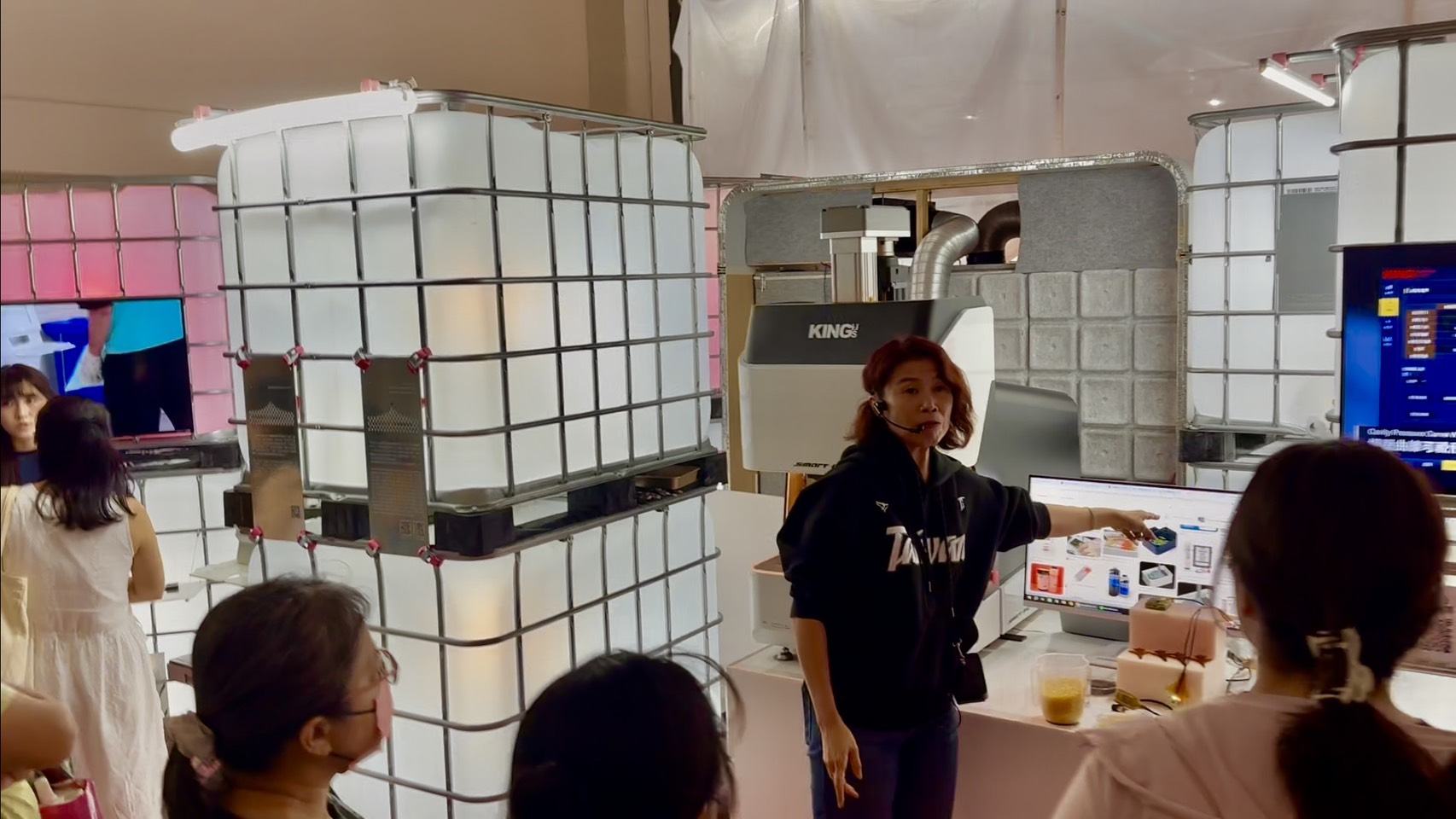
“How is this different from a 3D printer?” was the most frequently asked question. Building on visitors' curiosity, Charles and Sheila introduced molds, temperature, pressure, and low-pressure molding. They also explored the many uses of castor seeds and explained the difference between bio-based and biodegradable materials.
Once the mold closed, visitors could no longer see what was happening inside, so the team directed their attention to the nearby AI and big-data display. “This pressure curve is starting to rise. It looks a lot like a stock price going up.” Since rising stock prices make people happy, Charles often used this comparison to make process data easier to understand.
Sheila playfully described the little airplane, made using a mold specially developed for the activity, as the latest kind of “unmanned aircraft”—an airplane with nobody sitting inside. Their humor made an unfamiliar manufacturing process more approachable.
Seeing visitors understand something new or express appreciation for the company's sustainability efforts made sharing knowledge energizing. Some visitors specifically praised the team's patience and welcoming smiles. For Charles and Sheila, watching others learn was what kept the experience rewarding throughout the long exhibition.
Visitor Feedback Reflects How Sustainability Connects
During the exhibition, the team engaged with more than 1,000 visitors and used an activity questionnaire to understand participants' responses. Respondents rated both their overall experience and their self-assessed understanding of sustainability at an average of 4.9 out of 5.
In the multiple-choice brand association question, 55% selected “Sustainable,” 40% selected “Value-Creating,” and 34% selected “Technological.” These voluntary responses helped KING'S see how its philosophy, “Green Solution, Machine Soulmate,” could resonate through hands-on experiences.
Reaching Beyond Familiar Industries to Explore New Applications
The exhibition also attracted design leaders, senior executives, and teams from leading Taiwanese electronics companies. They showed interest in SmartEdge's applications for waterproof encapsulation of electronics and R&D prototyping. Several visitors also asked whether they could purchase a machine to take on contract manufacturing work from home.
Questions from people with different backgrounds encouraged KING'S to reconsider how its equipment could serve users, opening opportunities for conversations with potential customers and collaboration across disciplines.
From Exhibition Assistants to Confident Technology Guides
Support from the Taiwan Design Research Institute and on-site staff was essential to keeping the activity running smoothly. After listening to repeated demonstrations and referring to the standard operating procedures and presentation scripts prepared by Charles, several university students majoring in design gradually learned to explain the materials and processes to visitors.
When long lines formed, the student assistants helped visitors scan the QR code to obtain queue numbers and positioned cables for molding, while Charles focused on explanations and interaction. Their teamwork became increasingly coordinated. One student shared that, after rotating among different booths, she most wanted to return to KING'S because she could participate directly, make a useful contribution, and learn something new.
One student from Chung Yuan Christian University eventually became capable of introducing the machine almost entirely on her own. Delighted by her professional presentation, Charles recorded a video of her explanation. Another student assistant responded enthusiastically when Charles invited her to visit the factory.
The Exhibition Ends, but Learning and Connections Continue
The rewards of these 18 days included moments when visitors understood sustainability, ideas for new applications, and young people's growth from attentive listeners into confident presenters. The final participant's queue number was the lucky number 777, giving the exhibition a fittingly cheerful ending.
This reflects the approach KING'S strives to practice every day: sharing expertise, appreciating each person's contribution, and exploring possibilities with partners. For young professionals interested in getting to know KING'S, the exhibition offered a window into how manufacturing connects technology, learning, and sustainability.